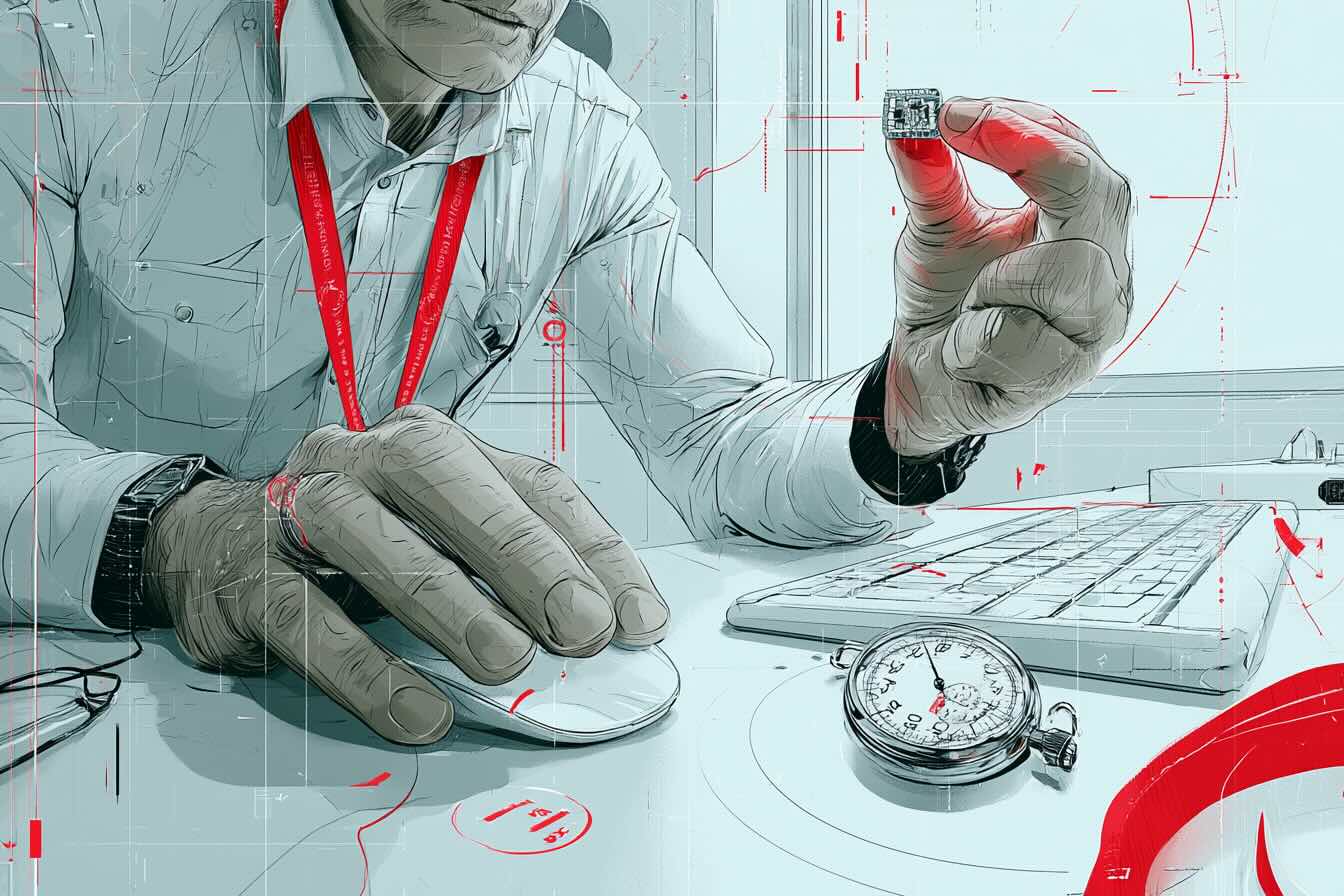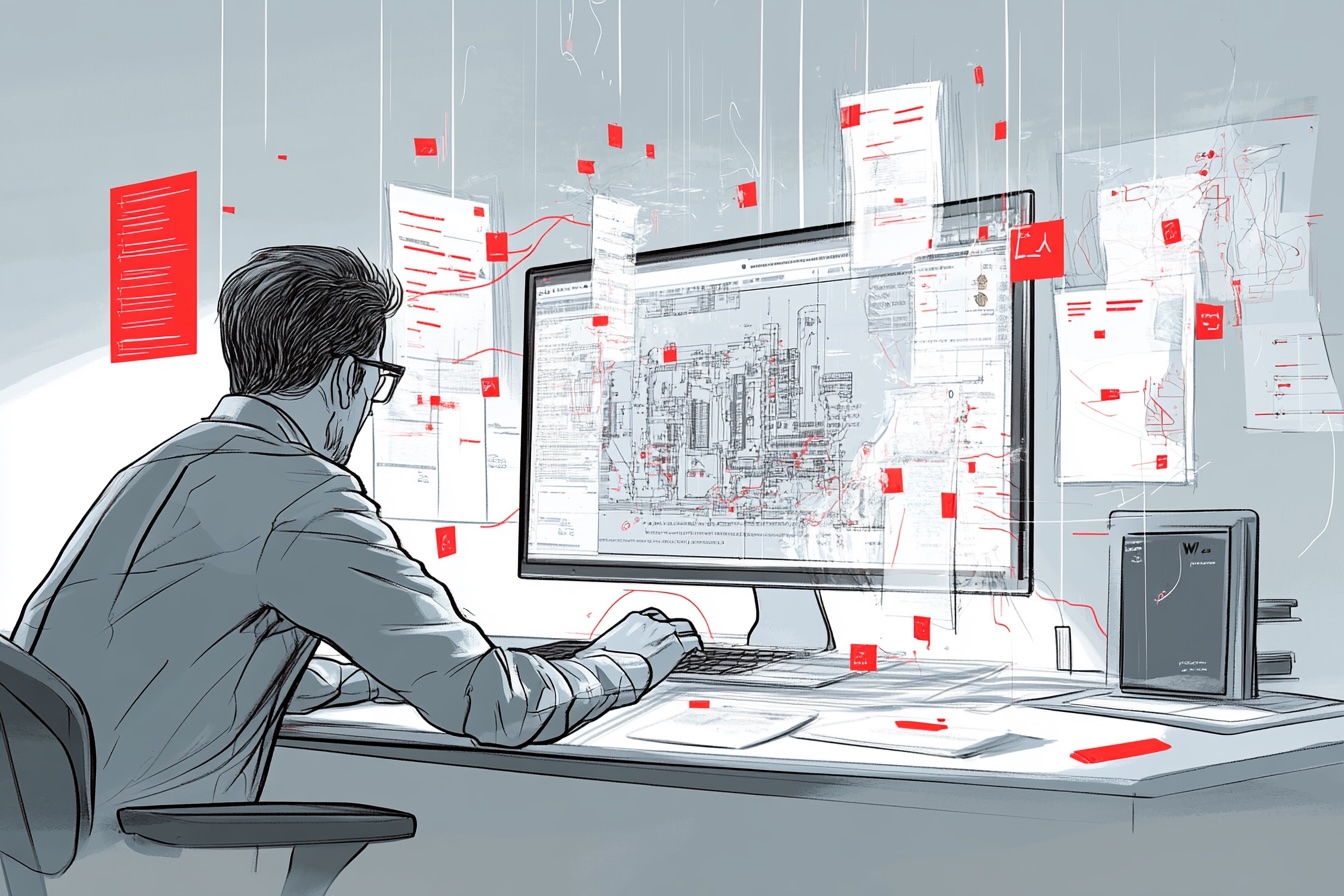

Electronics engineers don’t shop the way most buyers do. They build things — and the way they build shapes the way they research, evaluate, and ultimately choose the products that end up in their designs.
Understanding that project-driven workflow is a practical framework for figuring out where your content and advertising have the most impact. Here’s how it plays out on a platform like Electronics-Lab.
Every project starts somewhere. For electronics engineers, that often means getting current on the landscape: what components are available, what new architectures have emerged, what other builders are doing with technology that’s caught their eye.
Electronics-Lab’s news coverage is built for this stage. Articles covering new SoC releases, RF switch families, stereo converters, and edge AI development kits land in front of engineers who are actively tracking what’s available to build with. With 400,000+ monthly page views and 102,600+ newsletter subscribers, this is a meaningful audience in active discovery mode.
What this means for marketers
This is your awareness moment. A brand that shows up here — through sponsored news content, display alongside relevant editorial, or a newsletter mention — gets into consideration before active evaluation even begins.
Once an engineer has identified a category or a set of candidates, they go deeper. They pull datasheets. They read technical articles. They look for white papers and application notes that speak to their specific use case.
Electronics-Lab has strong infrastructure here too. The Technical Articles section covers analog-to-digital conversion, power management, sensor design, and more. The White Papers section hosts industry-produced documents for serious evaluation work. The Tools and Calculators section is used by engineers actively running design calculations.
What this means for marketers
Sponsored content and white paper distribution programs give brands presence at exactly this moment — when an engineer is doing the research that informs what goes on their BOM.
Before most electronics engineers commit to a component or platform, they want to know what real builders have experienced with it. This is one of the most influential parts of the entire decision process.
The Electronics-Lab forum is where this happens. With 148,000+ threads and 1.2 million+ messages covering power electronics, microcontrollers and IoT, sensors and actuators, RF and wireless, and PCB design, engineers ask — and answer — the practical questions that shape final decisions.
What this means for marketers
Community presence builds credibility not through interruption, but through genuine visibility in an environment engineers already trust. Brands that show up here are part of the conversation, not just an ad alongside it.
At some point, evaluation closes and the design gets locked. A component gets specified. A platform gets chosen. That decision flows into a purchase order.
The engineers who reach this stage with awareness of your brand — and favorable impressions built through credible content and community presence — are far more likely to specify it than those who haven’t encountered it.
Most electronics marketing programs are well-covered at the awareness end. Trade publication reach, programmatic display, sponsored email — these do a good job early in the funnel.
Where many programs have room to grow is in the evaluation and validation stages: the moments when an engineer is actively researching and forming real preferences. Electronics-Lab gives marketers a platform with presence at every stage — and that combination accelerates the path from “I’ve heard of this brand” to “I specified this component.”
Ready to experience what SparkWire IQ can do for your brand?
New SparkWire customers get 10,000 free targeted impressions — delivered through SparkWire IQ, our intelligent targeting engine that uses behavioral signals and intent data to reach the right engineers. Pick your community (Electronics-Lab or PLCtalk), tell us what you’re marketing, and we’ll set up your campaign within 2 business days. No cost, no commitment.
→ Claim your 10,000 free impressions at sparkwire.com





.svg)