
Picture a typical launch for a new industrial Ethernet switch. The display buy targets "automation professionals" through one vendor. The email blast goes to a purchased list filtered by job title. LinkedIn ads run on a third audience built from company size and seniority. The content syndication program has its own criteria entirely.
Four channels, four audiences, four definitions of who the buyer is. How much those groups overlap is anyone's guess, and so is whether any single engineer saw the message more than once.
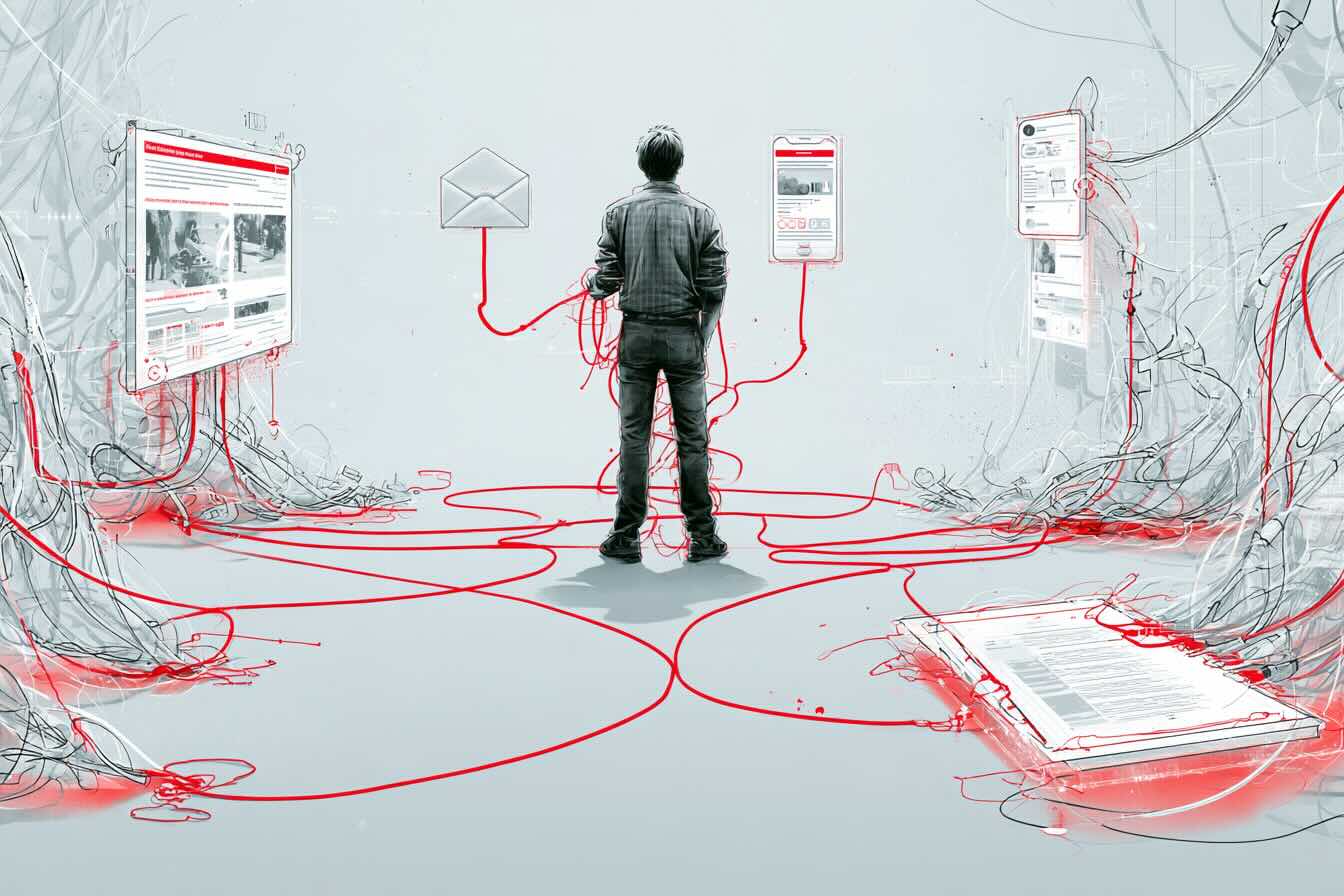
Buyers don't stay in one channel. McKinsey research published in 2022 found that B2B buyers use up to, and sometimes more than, ten channels as part of a given purchase. Engineers are no different. They read, compare, ask peers, open email, and scroll social feeds as they work through a decision.
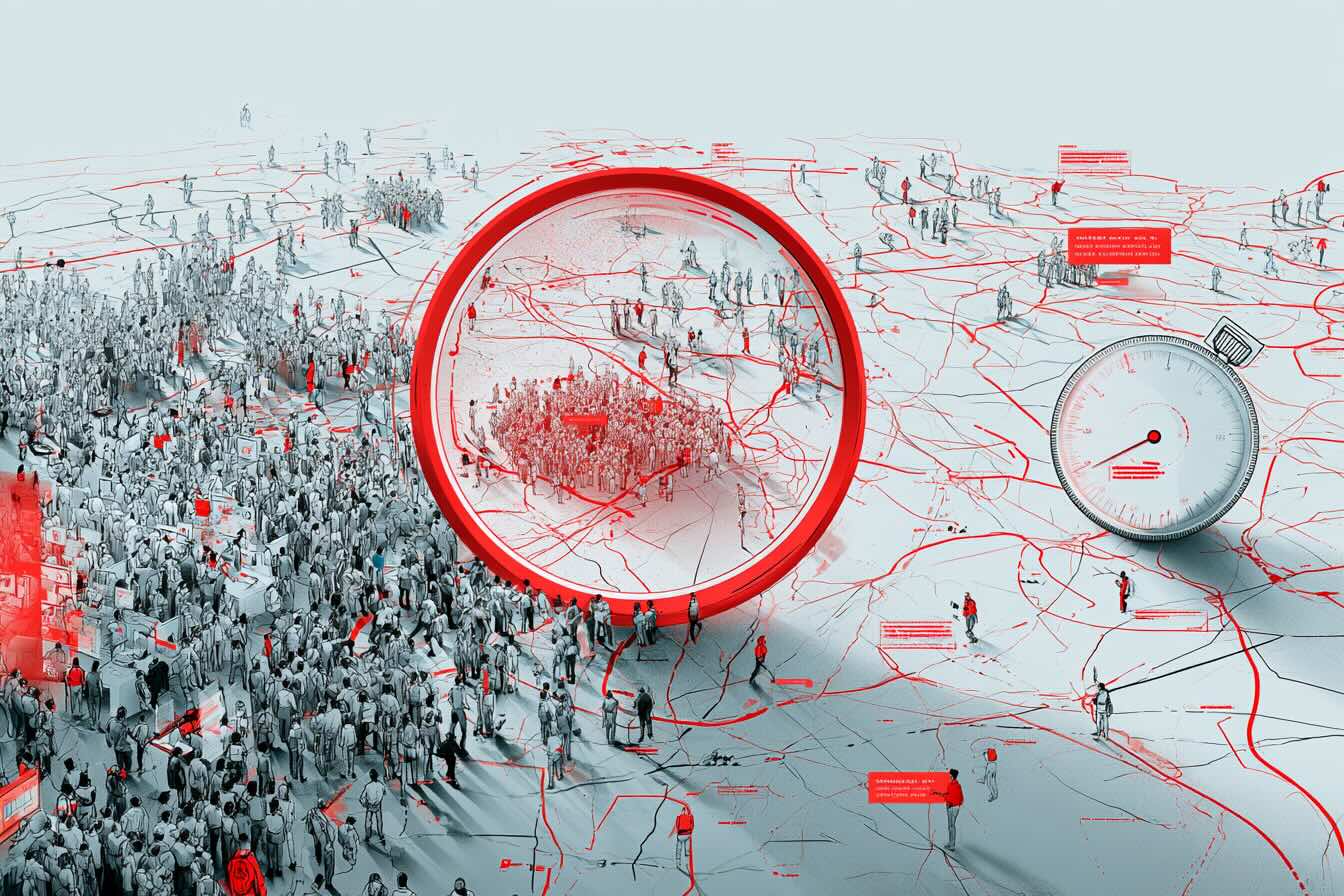
Most campaigns respond by adding channels. The catch is that each channel usually brings its own targeting logic. The result looks omnichannel on a media plan, but in practice it's several unrelated campaigns running at once, each reaching a slightly different group of people.
That costs more than efficiency. When the audience changes from channel to channel, frequency gets spent on the wrong people, the message can't build on itself, and results in one channel can't inform another because they aren't measuring the same group.
It also makes reporting misleading. Each channel can post respectable numbers on its own while the program as a whole never concentrates enough attention on any one engineer to change a decision.
The fix is to define the audience once, from the signal that matters most, and carry it everywhere.
For engineering audiences, that signal is behavior. SparkWire IQ starts by analyzing how engineers actually engage: the topics they read, the questions they ask, and the content they return to across every touchpoint. Signals come from registered community members, from unknown visitors, from broader digital footprint, and from lookalike audiences modeled on engineers who already fit the profile.
From there, IQ builds high-intent segments around a specific product, topic, or application. A segment might be engineers working on motion control retrofits in North America, or design engineers researching power management for battery-powered IoT devices. The segment is the audience, and it's defined before any channel is chosen.
Defining the segment first also forces a useful discipline. The team has to agree on who the program is for in engineering terms, meaning the problems and applications, before anyone negotiates a media buy. That conversation alone tends to sharpen the message.
Once the segment exists, every channel draws from it.
Display puts the message in front of that segment onsite in the engineering communities and, through audience extension, across the wider web and social.
Email reaches the segment directly, through behavior-based exclusive sends and native placements in the bi-weekly community newsletters.
Social carries the same audience onto the platforms engineers scroll between tasks.
Content gives the segment something worth engaging with: application notes, how-to articles, and technical white papers written for the problem the segment is working on.
Lead generation turns engagement into contacts, with leads quality-checked, bot-filtered, and verified before delivery.
Research feeds the loop, turning what the segment says and does into insight for the next round of messaging.
Because each channel pulls from the same segment, the engineer who saw a native ad in the forum on Monday is the same engineer who gets the application note by email on Wednesday and sees the social ad on Friday.
When the audience holds constant, three things change.
First, the message can build. A display ad can introduce the problem, the email can deliver the technical depth, and the social touch can bring the engineer back when they're ready. Each touchpoint can assume the last one happened, because for this audience it likely did.
Second, frequency goes where it should. Instead of spreading impressions across four loosely overlapping lists, the program concentrates exposure on the engineers who are actually working the problem.
Third, results become comparable. When every channel reports against the same segment, it's possible to see which touchpoints moved that audience and shift effort accordingly. Optimization stops being a channel-by-channel guess.
There is a practical benefit for the team as well. One audience means one set of criteria to maintain, one place to adjust when the product focus shifts, and one clear story for leadership about who the campaign reached and what happened next.
If you're planning a multichannel program for an engineering audience, these questions will tell you whether it's one campaign or several.
Is the audience in every channel defined the same way? Is that definition based on what engineers are working on, or only on who they are? Can a single engineer's path be followed across channels? Does performance in one channel change what happens in the others?
If the answers are mostly no, the channels are running in parallel rather than working together.
None of these require a bigger budget to fix. They require a shared definition of the audience, set before the channels are.
Adding channels is easy. Making them work as one program depends on starting with a single audience that every channel shares. That is the role SparkWire IQ plays at the center of every SparkWire program: one intelligent core that decides who the audience is, then activates it across display, email, social, content, lead generation, and research.
Before planning the channel mix, it helps to know how large that audience is. The IQ Audience Estimator sizes the reachable audience for your topics, keywords, and regions, so the plan starts from a real number. For more on where these audiences first become visible, see where engineers actually make design decisions